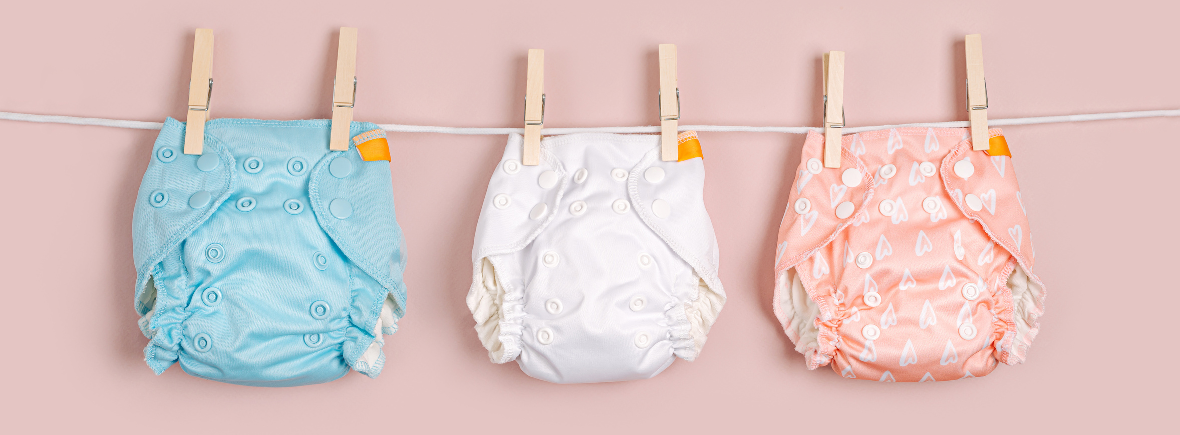
When it comes to potty training, children need to develop body awareness – that is, that they feel and understand the signals their body is giving them about when its time to wee and poo. This also includes recognising the sensation of wetness after a wee, and this can be challenging with modern nappies. What if the nappies they’re wearing don’t give them that chance?
Whether you use cloth or disposable nappies, your child needs to learn how to recognise their body signals and what they mean. If you use cloth nappies, you might be assuming that due to their materials, they would allow babies and toddlers to feel more in tune with their bodies. After all, they’re not quite like the super-absorbent disposables that promise to keep skin dry for hours. However, modern cloth nappies are far more sophisticated than the Terry nappies of old, and they are highly effective at wicking away and absorbing moisture away from the skin. This is great in many ways, but as your child approaches potty training and stops using nappies, they need to experience the sensation of being wet to develop body awareness.
So, how can we help our little ones recognise when they’ve done a wee, even in cloth nappies?
One option is to use something like the Little Bunny Bear cloth insert. This simple (organic) cloth sits inside the nappy and is designed to let your child feel wet after they’ve gone. Once wet, you can just wash it and reuse again and again. It’s an easy way to introduce the feeling of wetness without completely removing the comfort of the nappy just yet.And if you don’t want to buy anything, you can cut up an old jersey t-shirt (something that won’t fray) into liners and use this instead (no sewing required)!
Can I use a cloth nappy insert?
Most modern cloth nappies include inserts, and you might be thinking this will work well to help your child feel wet. But they are usually made from microfibre or fleece, because that feels dry when wet! So they may in fact have the opposite effect. They are also designed to soak up wee, so in fact are really for a different purpose than what you need to help build body awareness.
Can’t I just put a paper towel in the nappy?
You can, but remember that they usually contain a lot of harsh chemicals, and as a single use item, they aren’t helpful to the environment. You may also find that your child rejects it because they can feel scratchy.
Won’t the cloths create nappy rash?
It’s really important to change the cloth as soon as it becomes wet, to avoid nappy rash. However, since you can wash, dry and reuse them you won’t be making waste.
Preparation is key
By allowing your child to experience wetness and connect that sensation with the action of weeing, you’re helping them develop the awareness they’ll need when the time comes to transition out of nappies. This gentle, gradual approach can make potty learning feel much more natural for your child—and a lot less stressful for you.
Summary
So, whether you’re using cloth or disposable nappies, remember that developing body awareness is a critical step in the potty training journey. Preparing your child will help them succeed when the time comes to stop using nappies.
If your child is under 18 months, learn how to baby potty with my book, The Baby Pottying Guide.
If your child is a toddler and beyond, learn how to prepare your child for potty training with my Go Potty™ podcast!

Nurse Rebecca Mottram is an advocate for Baby Pottying and a potty training expert. She is the author of two books; The Baby Pottying Guide and Positively Potty, the host of the Go Potty Podcast and founder of the Little Bunny Bear shop. If you are trying to resolve a potty problem, you can explore Rebecca’s free resources, join her Facebook group or request a private consultation.